The Rise of Africa’s Tech Ecosystem
Living and building in Africa right now feels different.
There’s a quiet culture shift happening. Engineers, designers, marketers, product people – even non-technical builders – can now ship faster than ever. With tools like Figma, Claude Code, Stitch, Replit, and Codex timelines have collapsed. What used to take months now takes weeks or even days. That alone tells you something has changed.
In today’s post, we’re diving into what Africans are building, why it matters, and where Africa’s tech ecosystem is headed.

Africa’s tech ecosystem isn’t just “emerging” anymore – it’s structuring itself.
For a long time, many of us relied on copy-and-paste playbooks from Silicon Valley. Today, those hacks are being replaced with systems designed for African realities: unreliable infrastructure, fragmented markets, young populations, insecurity and global ambition. As builders on the continent, you can see it in how problems are scoped, funded, and solved.
Technology is no longer an add-on. It’s becoming core infrastructure.
Fintech powers daily commerce on the continent. Healthtech fills gaps public systems can’t reach. Edtech rewrites access to skills. AI and cybersecurity aren’t future conversations – they’re already shaping how African startups compete globally.
Beyond the usual tech hubs
Yes, Lagos, Nairobi, and Cape Town still matter. But lets travel to other emerging and vibrant hubs in Africa.
Across the continent, builders are solving deeply local problems with global relevance. In Angola, connectivity and data infrastructure are being rethought from the ground up. In Ghana, cold-chain logistics is no longer just a supply issue – it’s a food security and healthcare problem being actively solved.
Kenya continues to lead access-focused innovation. Models that blend fintech, energy, and credit have shown that millions previously invisible to banks can be served sustainably.
In Nigeria, fintech has evolved from “payments” into full-stack financial infrastructure. When Paystack focused on developer-first tools, it didn’t just help businesses accept payments.
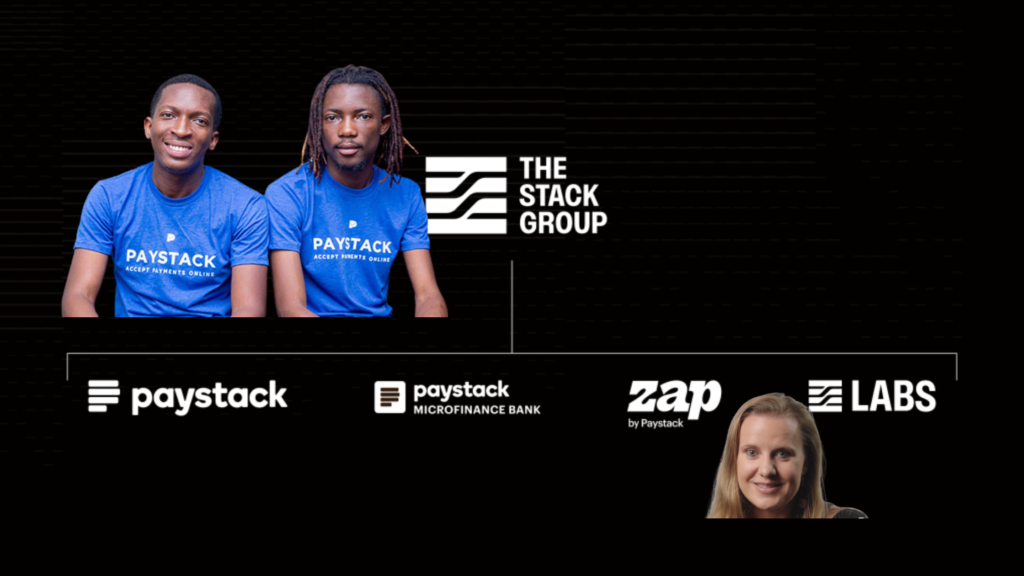
Sola & Ezra helped a generation of African builders and businesses believe they could build world-class products from home. Its acquisition validated what many already knew on the ground: African infrastructure startups can win globally.
Then came Flutterwave’s acquisition of Mono. That moment signaled a deeper shift – payments alone are no longer enough. Financial data, embedded finance, and programmable money are shaping the next chapter of African fintech.
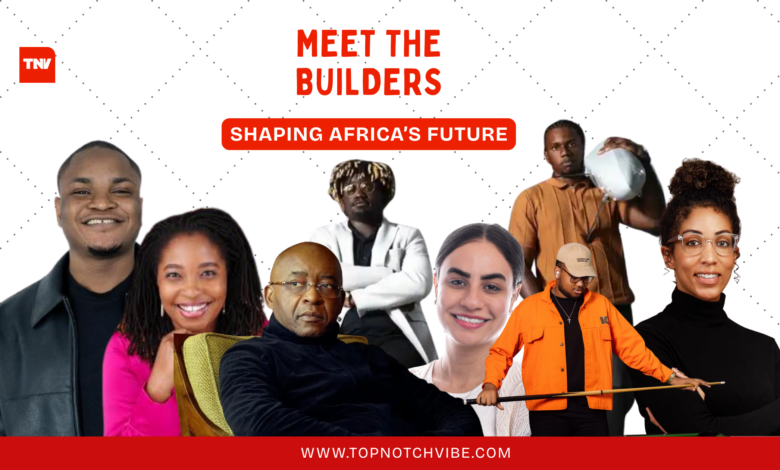
Meet The Builders Shaping Africa’s Future
In Abuja, Nigeria. Maxwell Nduka and Nathan Nwachukwu are building Terra Industries, pushing Africa into defence tech, drones, and robotics- sectors many once thought were out of reach especially on the continent.
Jared Leto is one of Hollywood’s prolific investors, who has invested in companies like Uber, Reddit, Stripe, Robinhood, etc made a big splash in the African market with his investment in Terra.

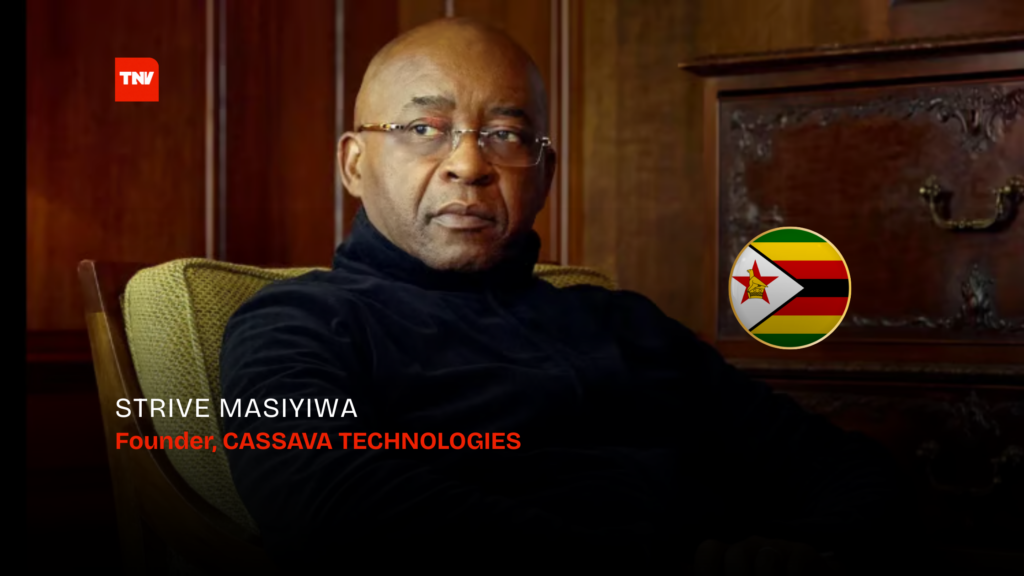
Strive Masiyiwa is scaling infrastructure at continental level through Cassava Technologies, partnering with Nvidia to launch Africa’s first AI factory – a signal that Africa isn’t just consuming AI, but building capacity for it.
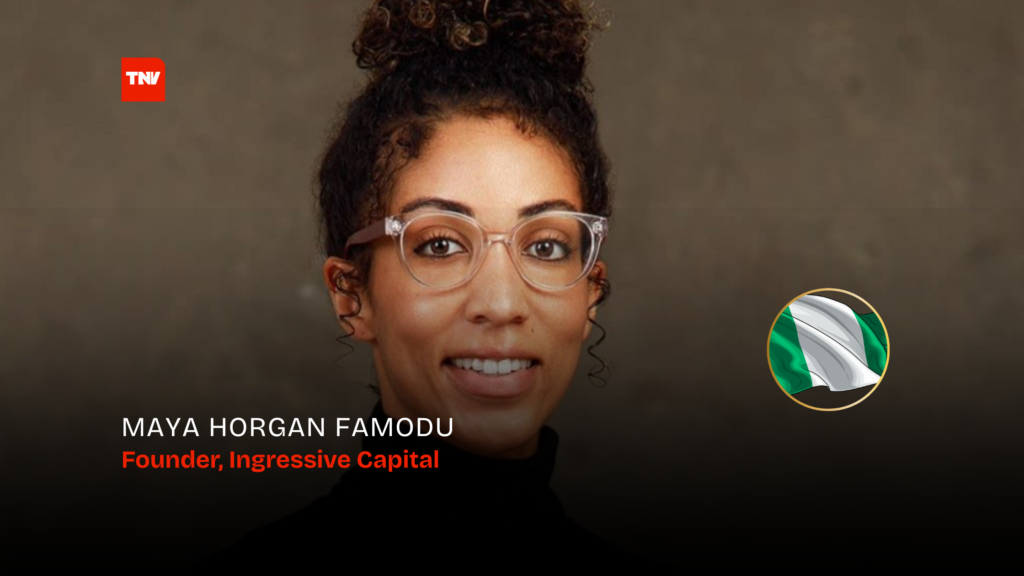
Maya Horgan Famodu via Ingressive Capital has backed companies like Paystack, Tizeti, and Bamboo – proving that early belief, not just late capital, shapes ecosystems.
Meet Oluwapelumi Dada (co-founder of Sorce), this app was developed in 2024 with David Alade and Daniel Ajayi. The platform automates job applications, allowing users to swipe on roles and auto-filling applications. It has over 500,000 users, secured Y Combinator backing, and has generated 20M+ swipes.

Then we have the birthday boy🥳- Elvis Obi (Mezeranze Gaming), on a mission to build the best product to come out from Africa.

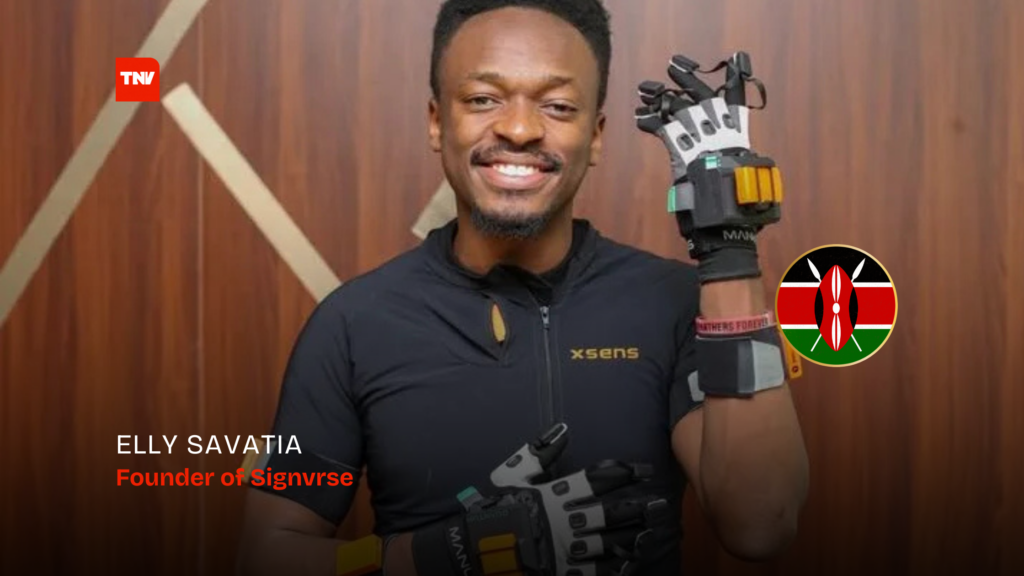
In Kenya, Elly Savatia is building Signvrse, while Josiah Kwesi Eyison through iSpace Foundation continues to create on-ramps for young builders.
Idris Olubisi founder of Web3 Afrika who is on a mission to Empower the next generation of African web3 innovators

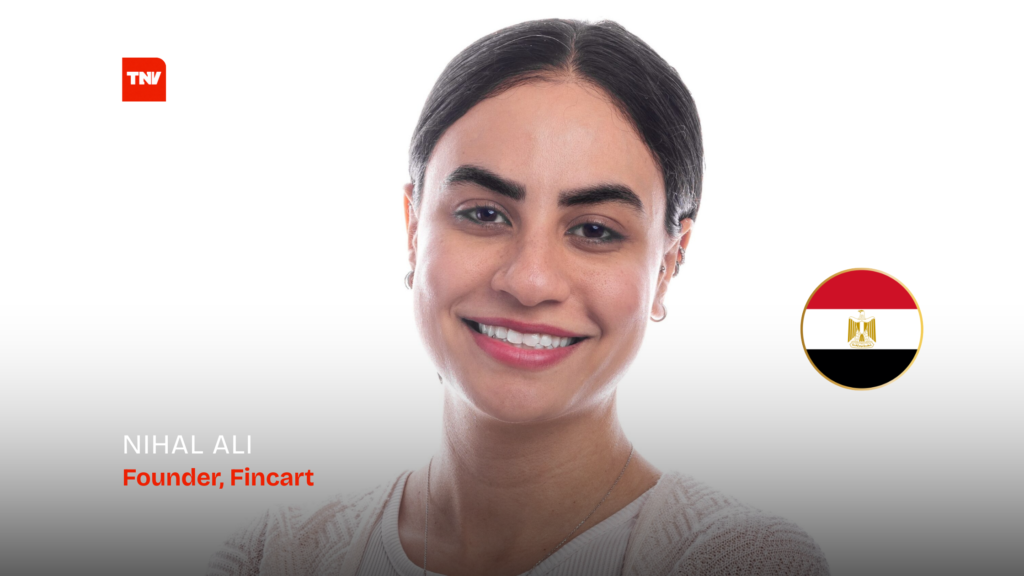
In Egypt we have fintech, founders like Nihal Ali are building tools that meet Africans where they are, not where global templates assume they should be.
Dr. Harri Obi the brain behind Superteam NG, has helped catalyze Africa’s growth in Solana development – showing how communities, not just startups, move ecosystems forward.

In Uganda, innovation is grassroots. Spaces like HiveColab and exposure through global platforms such as GITEX Dubai are helping founders refine products with limited capital but deep local insight. The drive is visible – what’s missing is scale capital and infrastructure support.
Egypt tells another story. With strong funding flows, expanding hubs beyond Cairo, and startups like Paysky, Thndr, Sylndr, and Money Fellows, Egypt feels like a continental engine. Policy, capital, and ambition are aligning – and the ripple effects will be felt far beyond North Africa.
What excites builders today isn’t just shipping apps – it’s closing structural gaps. Healthtech startups are using telemedicine and AI to reach rural communities. Edtech platforms are compressing years of learning into months of practical skill-building. Defense tech, AI, and cybersecurity are starting to matter as African governments and companies realize that digital sovereignty is not optional.
What this means for African builders and founders
Africa’s next phase won’t be led by clones of Silicon Valley startups. It will be led by context-aware builders – people who understand unreliable power, fragmented markets, informal economies, and build resilient communities.
The opportunity ahead isn’t just to raise funding. It’s to own the narrative, the infrastructure, and eventually the IP that powers African solutions. We’re moving from being global consumers to architects of our own ecosystems.
For founders, this means deeper responsibility – and bigger upside. For community builders, it means nurturing talent pipelines, not just hosting events. For creators, it means documenting, teaching, and shaping culture around building.
Africa isn’t waiting for permission anymore. We’re already building. And the next decade belongs to those who stay close to the problems, build in public, and grow with the communities they serve.
What are your thoughts, share them in the comments below.
Share this post to share the good news with a friend and join the community here.