Vibe Diaries #001: Meet Hassanat Abubakar, Building FUSE Varsity For The Future Of Work
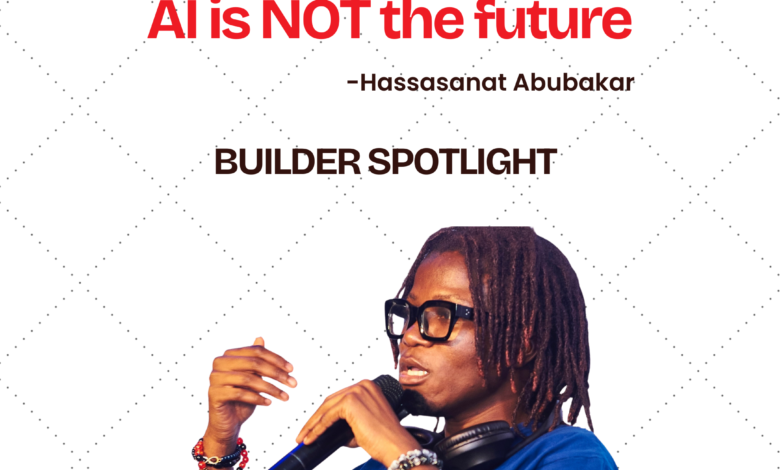
Across Africa, builders are quietly creating things that change people’s lives… A designer in Nairobi shipping her first digital product. A founder in Kigali starting an AI mobility company. A product manager in Lagos helping Africans transition into tech.
Most of these stories never make headlines. But they matter.
Because the future of African innovation won’t only come from unicorn startups or billion-dollar funding rounds. It will come from builders – smart people who start small, solve real problems, and keep showing up long enough for their work to matter.
That’s why we’re launching Vibe Diaries on TopNotchVibe – a space to spotlight African builders, creators, and innovators, and share the real journeys behind what they’re creating.
For our first edition, we spoke with someone who represents a new generation of intentional builders.
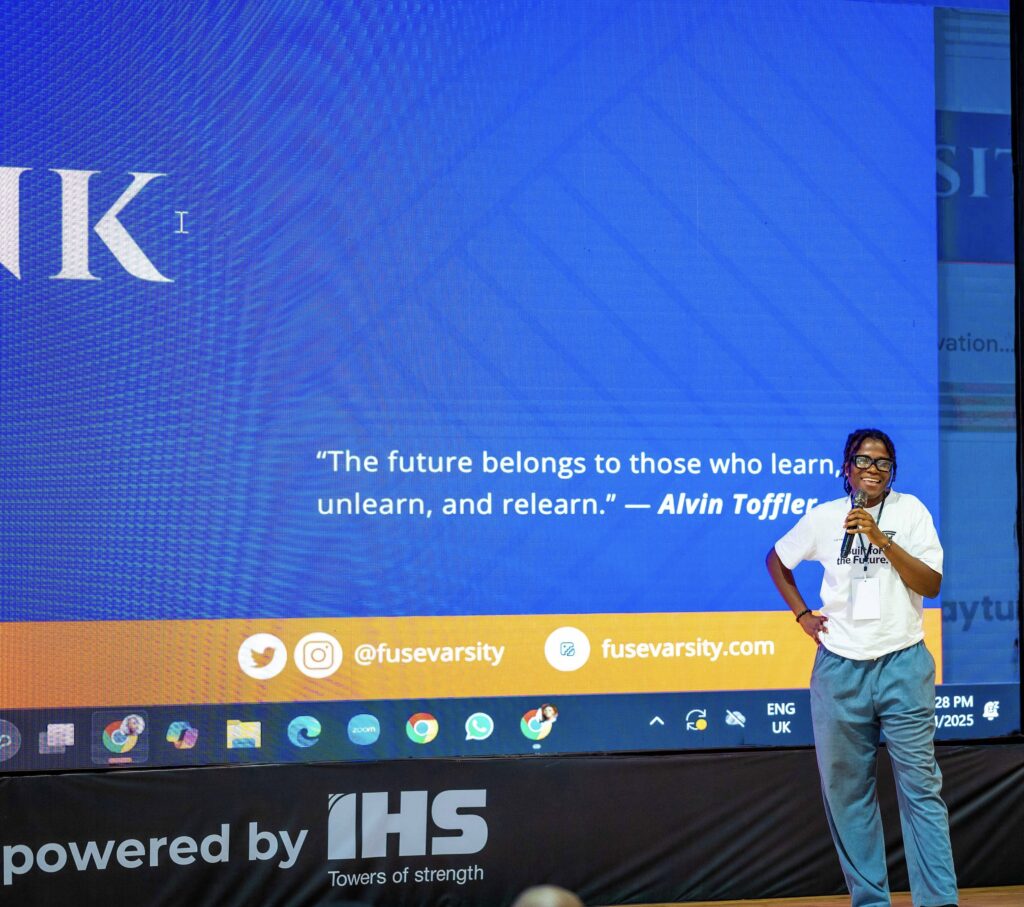
Meet Hassanat Abubakar– at 25, this young African builder works as an Engineering Manager at Roqqu and has built products across healthtech, edtech, and fintech. Outside work, Has, is growing FUSE Varsity, an ed-tech platform helping young Africans gain in demand skills for the future of work.
Last week, we got on a call with Hassanat, and talked about why building Fuse Varsity matters, the rewarding parts of building, AI, the skills that will matter in the future, and why builders should start before they feel ready and so much more. Let’s dive into our conversation.
Product Manager Turned Builder For Africans
C: Tell us about you. Where are you building from?
H:“My name is Hassanat Abubakar, a Product Manager and Innovation Leader with four years of experience building digital products across healthtech, edtech, and now fintech.
I currently serve as an Engineering Manager at Roqqu. I’m also the founder of FUSE Varsity, an edtech platform helping people gain in-demand skills through structured learning, accountability systems, and community-driven growth.
I live in Lagos, Nigeria, where I’m passionate about helping young people transition into tech and other emerging careers. Beyond work, I care deeply about mentorship, impact, and building communities that help people unlock their potential.”
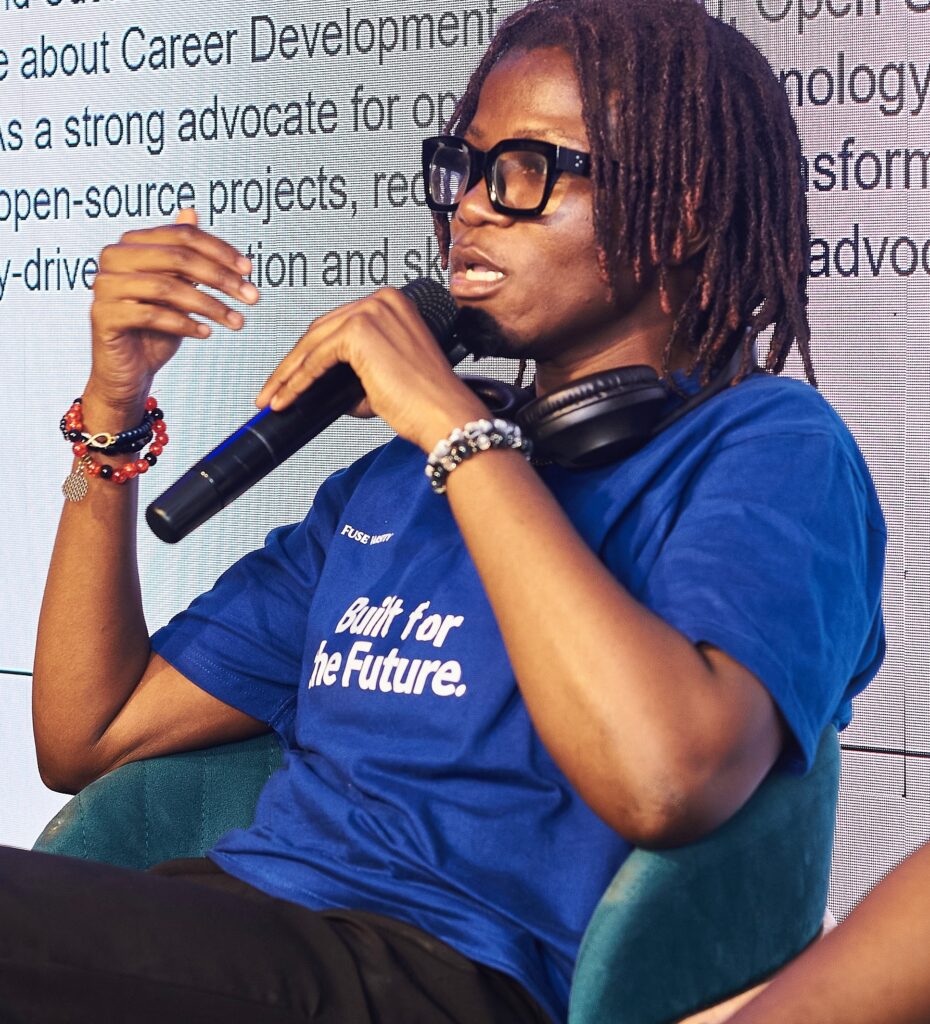
What She’s Building Now
C: What are you building right now?
H: “Right now, I’m building the evolving learning ecosystem behind FUSE Varsity.
That includes community-powered learning experiences, structured career accelerators, and accountability systems designed to help people not just learn – but actually complete and apply what they learn.” We’ve recently rolled out new features on FUSELearn designed to make learning more adaptive and engaging for our learners.
The Problem That Sparked It
C: How did this journey start?
H: “I transitioned from a Biochemistry background into Product Management. During that journey, I noticed something frustrating. Every year, thousands of young people graduate only to realize the job market is completely different from what they were prepared for.
Across Africa, over 10 million youths enter the workforce annually, and many end up unemployed or underemployed. A big reason is the gap between what universities teach and what the market actually needs.
At the same time, many people want to build careers outside their degrees -especially in tech -but they lack structure, guidance, accountability, and supportive communities.”
FUSE Varsity is built for Career transitioners, Students, Early professionals, Young Africans seeking global opportunities. The problem we solve is not just lack of knowledge, it’s lack of structure, access, accountability, and clarity. We bridge the gap between learning and actual career transformation & employment.
Building Something Different
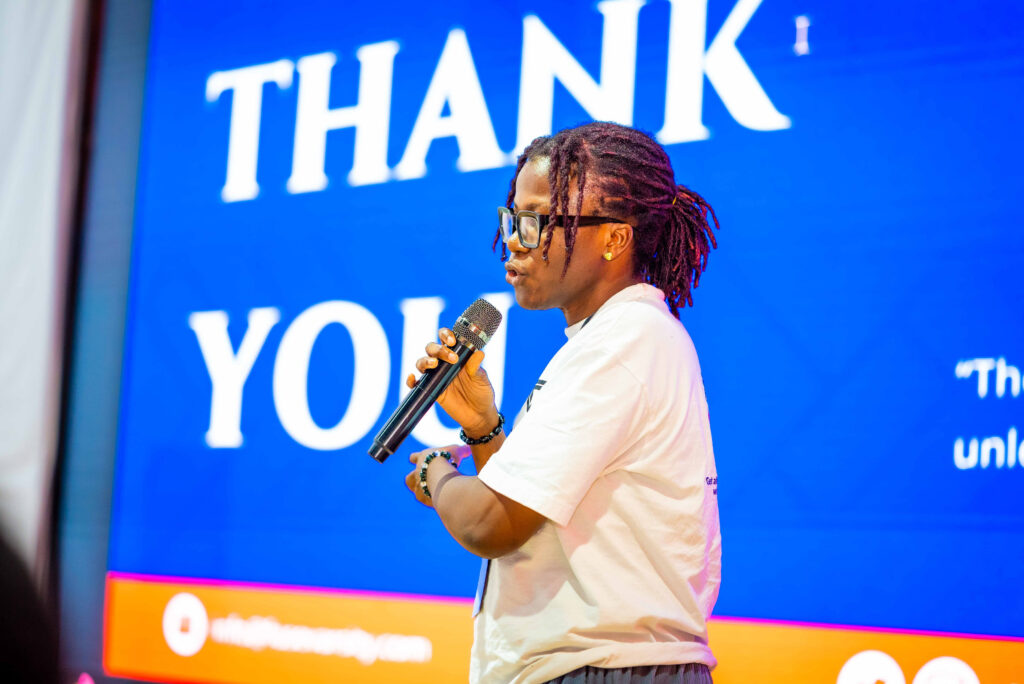
C: What makes FUSE Varsity different?
H: “Our focus is outcome-driven learning. Instead of passive courses, we design structured pathways that help learners move toward real results.
Programs can be self-paced or live, but the emphasis is always on practical outcomes -portfolio projects, career positioning, and real-world application.
We’re also intentionally affordable and designed with the African context in mind.
At FUSE Varsity, learning is practical, guided, and built for transformation.”
Building It From Scratch
C: How did you actually build this?
H: “FUSE started as an experiment. It started from years where I had worked with community NGOs to build their initiatives and then the curiosity to do more. .
I was already guiding aspiring product managers and career transitioners informally. Over time, I began noticing patterns in their struggles: inconsistency, lack of structure, no accountability system, and limited access to affordable but practical learning.
Instead of launching with a perfect system, I started small: Pilot cohorts, Feedback loops
Iterating on curriculum, Testing pricing models for affordability and then fully launched and iterated on the direction of the FUSE mission.
The Most Rewarding Part of Building
C: What moment made it all worth it?
“The most rewarding part is seeing transformation happen in real time.
Watching someone go from self-doubt to landing their first role, building their first portfolio project, or gaining clarity about their path – that’s incredibly fulfilling.”
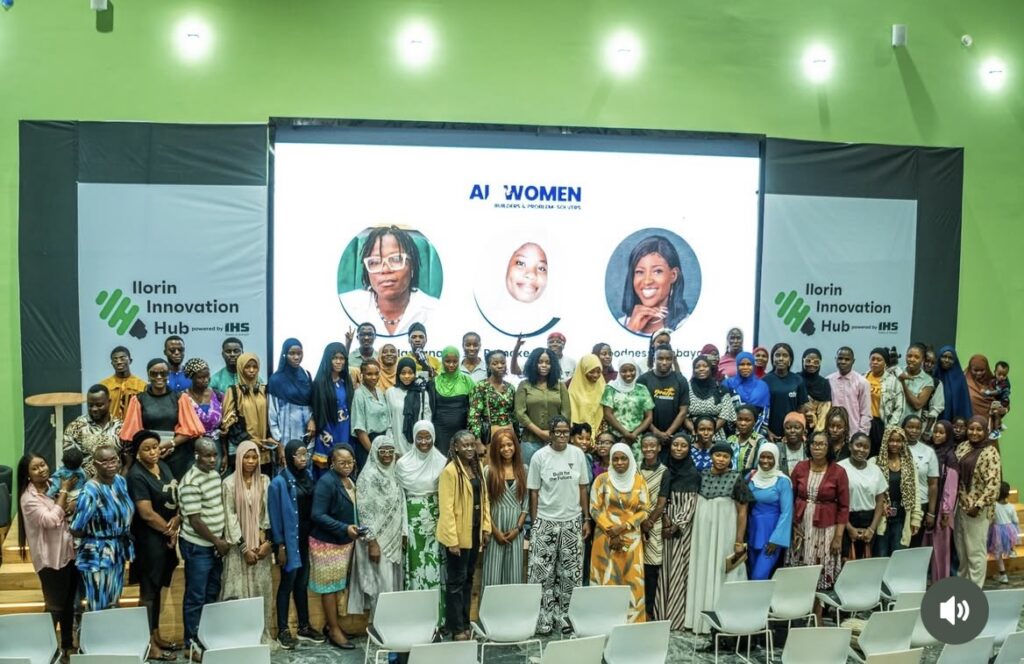
C: What Skill Should an Aspiring Builder Learn in 2026?
H: Automation – This is basic literacy now tbh. If you can automate workflows and use AI tools, you’ll move faster than 80% of people.
Content Marketing – If you can’t communicate what you’re building, it won’t grow.
Product Management – Teaches you how to solve real problems and build what people actually need.
Project Management – Execution > ideas. This is how you ship consistently.
If I simplify it: Learn systems, communication, and execution
C: What the best system to learn any skill in 30 days?
H: I strongly believe in learning the foundations first then building with them.
My approach is simple:
1 Define the outcome – Be clear on what you want to achieve with the skill.
2 Identify the fundamentals – Highlight the core concepts you must understand.
3 Leverage focused resources – Use YouTube, articles, books, or take a structured course if needed (but don’t overwhelm yourself).
4 Build while learning – Apply the skill immediately by creating something practical.
For me, skills stick when you learn with the intention to build – not just to consume content.
Advice to Builders
C: What’s one thing you wish every builder or creator knew before starting?
H: Start before you feel ready but don’t romanticize the journey.
Building is not aesthetics, branding, or announcement posts. It’s consistency when no one is clapping. It’s refining the same thing 10 times. It’s solving one real problem deeply instead of chasing trends. I wish more builders understood that clarity comes from action, not overthinking. Start small. Iterate fast. Listen closely.
What’s Your Take on AI?
H: AI is not the future, it’s the present infrastructure of the future.
It’s a powerful tool that amplifies productivity, decision-making, and access. But it also demands responsibility. As someone who builds products, I see AI as an enabler not a replacement for human insight, empathy, and strategic thinking.
The real advantage isn’t just using AI. It’s understanding how to use it intentionally.
C: How has AI affected your field, how can one position or leverage AI as a builder or as someone in your field
H: In Product Management and tech leadership, AI has significantly shifted; Research speed, Prototyping timelines, Data analysis depth, Documentation efficiency, Personal productivity
AI allows product managers to, Synthesize user research faster, Draft PRDs and documentation efficiently, Analyze patterns in user data, Run experiments more intelligently
Life Outside Building
C: What do you do for fun when you are not building?
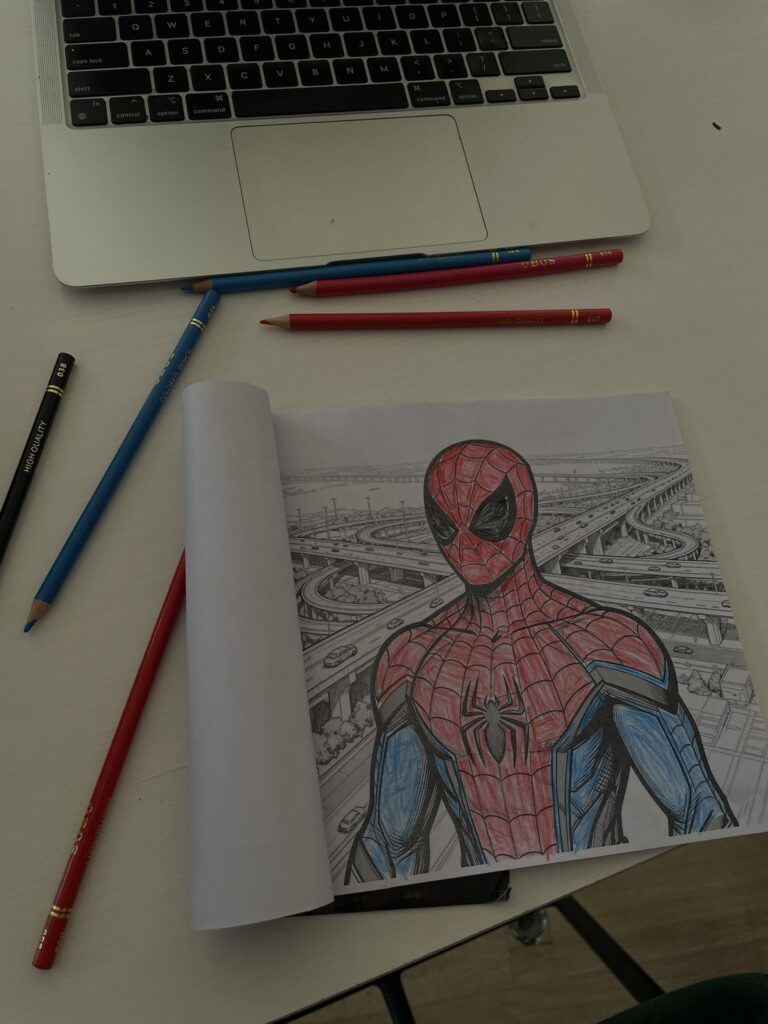
H: I love swimming. It’s honestly therapeutic for me. It clears my head in a way nothing else does. I also enjoy reading comics and watching superhero movies (especially anything from the Marvel universe). I like writing about them sometimes too lool, i think thats a random fact people dont know about me. I enjoy eating out, cooking when I have the time, and occasionally raving.
This year, I’m also exploring owning a plant. I feel like it’s a soft-life evolution phase. Let’s see if I can keep it alive.
C: What’s one place in Africa you’d love to visit… & why?
H: Kenya and Rwanda.
Both countries are building strong tech ecosystems with incredibly talented innovators. I admire how intentional they are about positioning themselves as hubs for African innovation.
Beyond tech, I love their energy around pan-African collaboration. It feels progressive, bold, and forward-thinking, the kind of environment I’d love to experience firsthand
Do you watch Anime?
H: I’m more of a superhero movie person. I love films from the Marvel Studios universe.
My favorite characters are: Spider-Man; I love the balance of intelligence, humor, and responsibility and Wanda Maximoff; her complexity, power, and emotional depth are unmatched.
What are your favourite go-to spots in your city?
Honestly? Anywhere I can swim. Swimming is my reset button. It’s less about the location and more about the feeling. I love room cafe, Noks, and anywhere I can get good food.
The Builder Takeaway
Stories like Hassanat’s remind us that the future of African innovation won’t only come from venture-backed startups.
It will come from builders -people who see a problem, start small, and keep refining the solution.
This young African’s journey offers a simple reminder: You don’t need perfect conditions to start building.
You need curiosity, consistency, and the courage to solve a real problem for real people.
Courses you can take on FUSELearn @FuseVarsity: Project Management Essentials, Introductory Course to Product Management, Copywriting for Beginners, Video editing for Beginners, Web Development for Beginners using ShadCN, and Technical Product Management for Beginners.
Follow Hassasnat on LinkedIn, Instagram and X
What’s Next for Vibe Diaries
This is just the beginning. Across Africa, thousands of builders are quietly creating tools, communities, and opportunities that deserve to be seen.
Vibe Diaries exists to tell those stories.
In the next edition, we’ll spotlight another African builder working on something bold and unexpected.
Want to Be Featured?
If you’re building something in Africa – a startup, community, tool, product, or creative platform – we’d love to hear your story.
Apply to be featured in the next Vibe Diaries.
And if you know a builder doing interesting work, share this article with them.
The next story we tell might just be theirs.




Strong, clear, and immediately valuable content.
I’m happy to have discovered this gem.